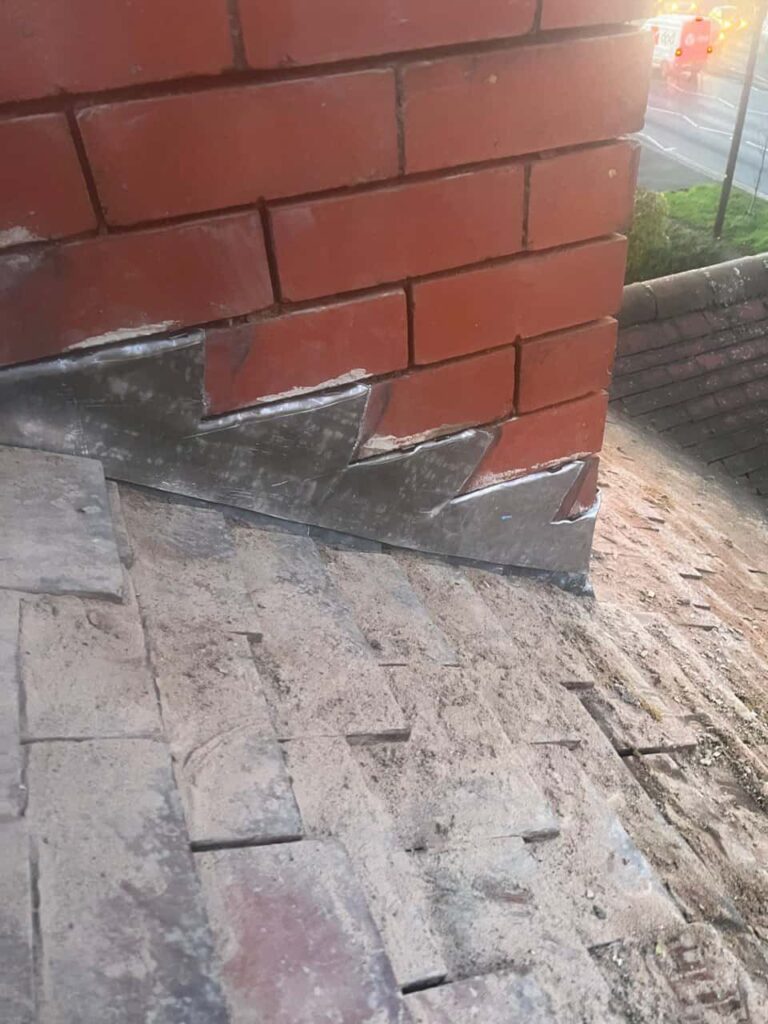
A leaking roof during a severe storm can quickly become a stressful situation for any homeowner. Heavy rainfall and strong winds can expose weaknesses in roof coverings, damage flashing or dislodge tiles, allowing water to enter the property. Even a relatively small leak can cause problems if water continues to spread through ceilings, loft spaces and internal structures.
Knowing what to do when a roof starts leaking can help limit damage and keep everyone safe until professional repairs can be arranged. For homeowners in Croxley Green, Hertfordshire, taking the right steps during severe weather is particularly important.
Prioritise Safety Inside Your Property
When water begins entering through the roof, your first priority should be the safety of everyone inside the property. Avoid attempting to investigate the problem from the roof, especially during strong winds, heavy rain or thunderstorms.
If water is coming through a ceiling, keep people away from the affected area. A ceiling that has become saturated may weaken, particularly if water is collecting behind the plasterboard.
If the leak is near electrical fittings, switches or lighting, avoid touching the affected equipment. If it is safe to do so, isolate the relevant electrical circuit and seek advice from a qualified electrician. Never enter a wet area where electrical equipment may be exposed.
Contain the Water Where Possible
Once the area is safe, take practical steps to limit the spread of water inside your home.
You can:
- Place buckets or suitable containers beneath active drips.
- Move furniture, electrical equipment and valuables away from the affected area.
- Use towels or absorbent materials to collect smaller amounts of water.
- Protect flooring with waterproof coverings where practical.
- Move belongings out of rooms affected by ceiling leaks.
If water is collecting in a ceiling, do not puncture or cut into it yourself. A bulging ceiling may contain a significant amount of water and could collapse unexpectedly. Keep clear and seek professional assistance.
Look for Signs of Roof Damage from Ground Level
Severe storms can cause several types of roofing damage. Once conditions are safe, you may be able to identify possible problems by looking at the roof from the ground.
Common causes of storm-related roof leaks include:
- Slipped or missing tiles: Strong winds can dislodge tiles and expose the roof beneath.
- Damaged flashing: Lead flashing around chimneys and roof junctions can become loose or damaged, creating openings for rainwater.
- Blocked or damaged gutters: Heavy rainfall can overwhelm gutters that are obstructed by leaves or debris.
- Damaged flat roofing: Storm conditions may expose cracks, splits or weakened joints in flat roof coverings.
- Damaged ridge tiles: Movement or breakage along the roof ridge can allow water to enter vulnerable sections.
Do not climb a ladder or attempt temporary roof repairs while the storm is ongoing. Even after the weather improves, roof surfaces may remain slippery and unstable.
Reduce Further Water Damage
Water entering through the roof can travel beyond the area where it first appears. It may spread along roof timbers, insulation and ceiling materials before becoming visible inside the property.
If the leak continues after the storm has passed, keep the affected area clear and monitor any visible changes. Damp insulation and timber should not be left untreated, as prolonged moisture can encourage mould growth and deterioration.
Ventilate affected rooms when it is safe and practical to do so. However, avoid using electrical fans or equipment in areas where water may have reached sockets or wiring until they have been checked.
Arrange a Professional Roof Inspection
Once weather conditions allow safe access, arrange for a qualified roofer to inspect the roof and identify the source of the leak.
The visible water stain inside your property may not be directly beneath the damaged section of roofing. Rainwater can travel along the roof structure before finding a route into the building. A professional inspection helps trace the source rather than simply treating the internal symptoms.
Depending on the damage, repairs may involve replacing slipped tiles, securing ridge tiles, repairing flashing or addressing defects in a flat roof covering. Any damaged underlay or timber components should also be assessed where necessary.
Prompt attention helps prevent repeated water ingress and reduces the likelihood of more extensive internal damage.
Why Storm Damage Should Not Be Ignored
Even if the leak appears to stop once the rain becomes lighter, the underlying roofing defect may still be present. Water can enter again during the next period of heavy rainfall, potentially affecting insulation, ceilings and roof timbers.
A temporary improvement in weather does not necessarily mean the roof has recovered. Having the damage assessed and repaired properly is the best way to restore the roof’s protective function.
Professional Roof Repairs in Croxley Green
Storm-related roof leaks require careful assessment to establish the cause and determine the most suitable repair. From slipped tiles and damaged flashing to flat roof defects, addressing the underlying problem is essential for protecting your property.
LS Roofing Croxley Green provides roofing repair services in Croxley Green, Hertfordshire, helping homeowners deal with leaks and roof damage. If your roof has been affected by severe weather, professional advice can help you understand the condition of the roof and the work required.
Conclusion
A leaking roof during a severe storm should never be ignored. Prioritising safety, containing water inside the property and arranging a professional inspection can help limit damage and prevent further problems.
If you notice water entering your home after strong winds or heavy rainfall, contact LS Roofing Croxley Green to discuss your roofing concerns and arrange suitable repairs. Taking action promptly can help keep your property protected through changing weather conditions.
Call us on: 01923 961 797
Click here to find out more about LS Roofing Croxley Green
Click here to complete our contact form and see how we can help with your roofing needs.